

Reviewed by Kathryn Vercillo, MA Psychology | Last Updated: February 2026
What is the Safe and Sound Protocol?
The Safe and Sound Protocol (SSP) is a therapeutic listening intervention developed by Dr. Stephen Porges based on his Polyvagal Theory. SSP uses specially filtered music delivered through headphones to stimulate the vagus nerve and retrain the nervous system toward greater capacity for social engagement, emotional regulation, and calm. This non-invasive approach helps reduce sound sensitivity, improve auditory processing, and support overall nervous system flexibility.
A Listening Based Path to Nervous System Regulation
Imagine being able to shift your nervous system toward calm and connection simply by listening to music. The Safe and Sound Protocol offers exactly this possibility, using the science of how your nervous system processes sound to create lasting changes in how you experience safety, connection, and emotional regulation.
Certified SSP practitioners throughout California offer this innovative intervention to clients seeking relief from anxiety, trauma responses, sensory sensitivities, and difficulties with emotional regulation. Through telehealth, SSP is accessible to clients across the state, from the San Francisco Bay Area to Los Angeles, San Diego, and beyond. The protocol can be delivered remotely with your practitioner guiding you through the listening experience and monitoring your progress.
What makes SSP unique among therapeutic interventions is its direct, bottom-up approach to nervous system change. Rather than working primarily through talk or cognitive strategies, SSP works through the auditory pathway to stimulate the vagus nerve and shift your autonomic nervous system toward the state where connection and calm become possible. For many people, especially those who have struggled with traditional talk therapy or who experience significant nervous system dysregulation, SSP offers a different pathway to healing.
The protocol has gained recognition in therapeutic communities for its ability to create shifts that support other therapeutic work. Whether used as a standalone intervention or as preparation for deeper psychological processing, SSP provides a foundation of nervous system regulation that enhances whatever healing work you are doing. See if any of our current associate therapists are trained in SSP by browsing their credentials in the therapist directory.
Browse our Therapist Directory
On This Page:
- The Science Behind SSP
- How the Safe and Sound Protocol Works
- Who SSP Helps
- What to Expect During SSP
- SSP Compared to Other Approaches
- SSP Combined with Other Therapies
- Finding an SSP Practitioner
- Frequently Asked Questions

The Science Behind SSP
The Safe and Sound Protocol emerges from decades of research by Dr. Stephen Porges into the autonomic nervous system and its role in social behavior and emotional regulation. Understanding this science helps you appreciate why listening to filtered music can create such profound changes.
Polyvagal Theory Foundation
SSP is built on Polyvagal Theory, which describes how the vagus nerve influences three distinct physiological states: social engagement (ventral vagal), fight or flight (sympathetic), and shutdown (dorsal vagal). When functioning optimally, your nervous system moves flexibly between these states, activating protection when needed and returning to connection and calm when safety is present.
Trauma, chronic stress, and developmental challenges can disrupt this flexibility, leaving your nervous system stuck in protective states even when objective danger has passed. You might remain hypervigilant and anxious, unable to feel safe even in safe environments. Or you might slip into numbing and disconnection, unable to engage fully with life. SSP addresses these patterns by stimulating the neural pathways associated with safety and social engagement.
The Middle Ear and Social Engagement
A key insight from Porges’ research involves the middle ear muscles. These tiny muscles regulate what frequencies of sound reach your inner ear. When these muscles function optimally, they attenuate low-frequency sounds (which evolutionarily signaled predators) while amplifying the frequency range of human speech. This allows you to focus on voices and feel safe enough to engage socially.
When your nervous system detects threat, these middle ear muscles relax, shifting your auditory focus toward low-frequency sounds that might signal danger. You become more attuned to potential threats and less able to focus on human voices. This auditory shift accompanies the broader physiological shift away from social engagement.
Many people with anxiety, trauma, or sensory processing challenges show altered middle ear function. They may be hypersensitive to certain sounds, have difficulty extracting speech from background noise, or find auditory environments overwhelming. SSP specifically targets these auditory pathways.
How Filtered Music Retrains the System
SSP uses algorithmically filtered music to exercise the middle ear muscles. The filtering emphasizes frequency ranges associated with safety cues, particularly the prosodic range of human speech, while modulating other frequencies. Listening through over-the-ear headphones, your middle ear muscles must continually adjust to the changing frequencies, strengthening their function.
This auditory exercise creates what researchers call a portal to the social engagement system. As the middle ear muscles strengthen and auditory processing improves, the neural pathway to ventral vagal activation becomes more accessible. Your nervous system becomes better able to detect safety cues and shift into states where connection and calm are possible.
The effects extend beyond auditory processing. Because the vagus nerve connects the middle ear to broader autonomic regulation, exercising these pathways influences heart rate variability, breathing patterns, gut function, and overall nervous system flexibility. The auditory intervention produces system-wide benefits.
How the Safe and Sound Protocol Works
Understanding the practical mechanics of SSP helps you know what to expect and how to engage optimally with the protocol.
The Three Pathways
The current SSP program consists of three distinct components, each designed for different purposes.
- SSP Connect provides unfiltered music designed to establish safety and support co-regulation with your practitioner. This pathway prepares your nervous system for the more intensive filtered music by creating a foundation of comfort and connection. Connect is particularly useful for highly sensitive individuals who need gentle introduction to the protocol.
- SSP Core delivers the specially filtered music that exercises middle ear muscles and stimulates the social engagement system. This is the primary intervention, typically delivered over several hours spread across multiple days. Core creates the neurophysiological changes that make SSP effective.
- SSP Balance offers ongoing support after completing Core, using mildly filtered music to maintain gains and support continued nervous system flexibility. Balance provides a sustainable practice for long-term regulation support.
Delivery Format
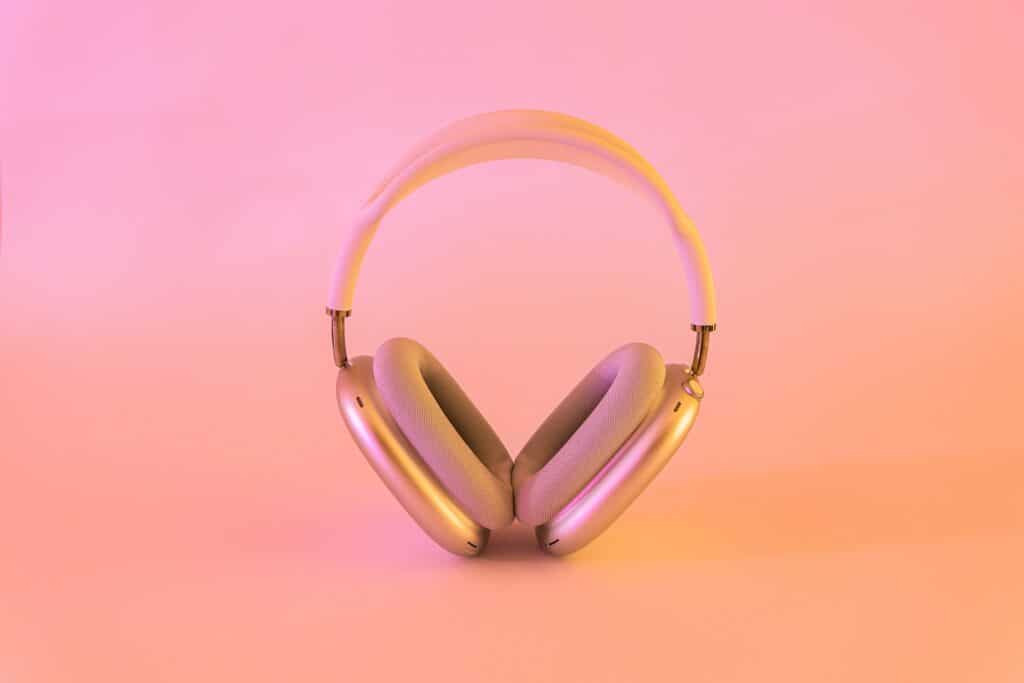
SSP is delivered through the Unyte platform, which allows practitioners to customize the listening experience and monitor your progress remotely. You access the filtered music through an app on your phone or tablet, listening through over-the-ear headphones (not earbuds, as the over-ear format provides important physical calming).
Sessions typically range from 15 to 30 minutes, though your practitioner adjusts duration based on your responses. The total Core pathway involves approximately five hours of listening, delivered over anywhere from five days to several weeks depending on your tolerance and schedule.
Throughout the process, your practitioner monitors your responses and adjusts pacing as needed. This clinical oversight distinguishes SSP from simply listening to calming music. Your practitioner’s expertise ensures the intervention is delivered at a pace your nervous system can integrate.
The Importance of Co-Regulation
SSP is designed to be delivered within a therapeutic relationship, not as a standalone self-administered intervention. Your practitioner’s presence, whether in person or via telehealth, provides crucial co-regulation that supports your nervous system as it reorganizes.
During listening sessions, your practitioner tracks your responses, watching for signs of over-activation or shutdown. They help you stay within your window of tolerance, pausing or adjusting the protocol if you become overwhelmed. Their regulated presence provides safety cues that compound the effects of the filtered music.
This co-regulatory element reflects the fundamentally relational nature of nervous system healing. Just as your nervous system learned its current patterns in relationship, it transforms most effectively in relational context.
Who SSP Helps
SSP has demonstrated benefits for a wide range of challenges, particularly those involving nervous system dysregulation, sensory processing, and social engagement difficulties.
Anxiety and Chronic Stress
Anxiety often involves a nervous system that has lost flexibility, remaining stuck in sympathetic activation even when objective threats are absent. SSP helps restore this flexibility, making it easier for your system to shift into ventral vagal states where calm becomes accessible.
Many anxiety sufferers also experience sound sensitivity or difficulty with auditory processing, finding noisy environments overwhelming or struggling to focus on conversations in busy settings. SSP specifically addresses these auditory components of anxiety, reducing sound sensitivity and improving the ability to filter relevant auditory information.
For California residents managing anxiety amid the stresses of modern life, SSP offers a pathway to regulation that does not require extensive verbal processing or cognitive effort. The intervention works at a subcortical level, creating changes that support whatever other anxiety management strategies you employ.
These benefits are supported by a completed clinical trial from Indiana University that studied the effects of SSP on PTSD symptoms and anxiety. The interventional study, registered with ClinicalTrials.gov, enrolled 45 participants and measured changes in PTSD symptoms, anxiety, and autonomic nervous system functioning, contributing to a growing body of research exploring SSP as a therapeutic tool for trauma and anxiety related conditions.
Trauma and Post Traumatic Stress
Trauma fundamentally disrupts nervous system regulation. Survivors may experience hypervigilance, with their systems unable to settle even in safe environments. Or they may experience shutdown and dissociation, unable to fully engage with life. SSP addresses both patterns by exercising the neural pathways associated with safety and social engagement.
The protocol is particularly valuable as preparation for trauma processing. Before you can effectively work through traumatic memories, your nervous system needs enough stability to handle the activation that memory work generates. SSP builds this foundation, expanding your window of tolerance so that deeper therapeutic work becomes possible without overwhelming your system.
A 2025 doctoral dissertation from Florida Atlantic University examined SSP’s impact on adults diagnosed with trauma and stressor related disorders. The study found clinically meaningful improvements in both trauma symptom reduction and autonomic regulation during and after the SSP intervention, providing preliminary evidence that the protocol may also improve treatment retention by helping clients achieve a regulated physiological state before deeper processing begins.
SSP can also help with specific trauma-related symptoms like hyperacusis (sound sensitivity) and auditory processing difficulties that commonly accompany PTSD. Survivors often report that certain sounds trigger them or that they cannot tolerate environments with multiple sound sources. SSP’s direct work with auditory pathways can reduce these sensitivities.
Autism Spectrum Conditions
Individuals on the autism spectrum often experience significant sensory sensitivities, including to sound. They may find certain frequencies painful, struggle to extract speech from background noise, or become overwhelmed in auditory-rich environments. SSP’s work with auditory processing directly addresses these challenges.
Beyond sensory processing, SSP supports the social engagement system, which can be underdeveloped in autism. While SSP does not cure autism, it can reduce the physiological barriers to social connection, making social engagement less exhausting and more accessible.
Research on SSP with autistic individuals has shown improvements in auditory processing, reduced sensory sensitivities, and enhanced social engagement. Families often report that children become more available for connection after completing the protocol.
Sensory Processing Challenges
Sensory processing challenges involve difficulty integrating and responding to sensory information appropriately. You might be oversensitive to certain inputs, undersensitive to others, or have trouble distinguishing relevant from irrelevant sensory data. These challenges can make daily life exhausting and overwhelming.
SSP targets the auditory component of sensory processing directly. As middle ear function improves and your nervous system becomes better calibrated, you may find auditory environments more manageable. Because sensory systems are interconnected, improvements in auditory processing often generalize to broader sensory integration.
ADHD and Attention Challenges
Attention difficulties often have nervous system components. When your system is in sympathetic activation, attention scatters as your brain scans for threats. When in dorsal vagal shutdown, focusing requires enormous effort against the pull toward disconnection.
SSP supports attention by promoting ventral vagal states where calm, focused engagement becomes possible. Additionally, improved auditory processing helps you filter distractions and focus on relevant information. Many individuals with ADHD report improved ability to concentrate after completing SSP.
Depression and Emotional Numbing
Depression often involves dorsal vagal states: shutdown, withdrawal, disconnection from pleasure and meaning. SSP gently activates the social engagement system, providing a pathway out of shutdown that does not require the effortful engagement that depression makes so difficult.
Listening to music, even filtered music, can begin to penetrate the numbness of depression. As your auditory pathways exercise and your vagus nerve activates, glimmers of connection and pleasure may become accessible. These small shifts compound over time, supporting emergence from depressive states.
Social and Communication Difficulties
Difficulties with social engagement may reflect nervous system states that make connection feel threatening or overwhelming. When you are in sympathetic activation, others seem like potential threats. When in dorsal vagal shutdown, connection requires more energy than you have available.
SSP supports social engagement by making the ventral vagal state more accessible. As your system spends more time in states associated with safety and connection, social interaction becomes less draining and more nourishing. You may find yourself more able to read social cues, more comfortable with eye contact, and more capable of sustaining engaging conversation.

What to Expect During SSP
Understanding the SSP experience helps you engage with the protocol effectively and navigate any challenges that arise.
Before Beginning
Your SSP journey begins with assessment and preparation. Your practitioner reviews your history, current symptoms, and goals for treatment. They explain the protocol, answer your questions, and help you understand what to expect.
During Listening Sessions
Listening sessions involve putting on over-the-ear headphones and engaging with the filtered music through the app. You might listen while sitting quietly, engaging in gentle activities like coloring or puzzles, or during video connection with your practitioner.
During listening, you may notice various sensations and responses. Some people feel calm and settled. Others experience emotional releases, with tears or laughter arising unexpectedly. Some notice increased energy; others feel tired. These responses reflect your nervous system processing and reorganizing.
Your practitioner monitors your responses, watching for signs that the protocol is well-tolerated or that pacing needs adjustment. If you become overwhelmed, sessions pause or shorten until your system can integrate what has already been introduced.
Common Responses
Responses to SSP vary widely. Some people notice immediate benefits: improved sleep, reduced sound sensitivity, greater sense of calm. Others notice more gradual shifts over days or weeks following the protocol. Some experience a temporary increase in symptoms as their nervous system reorganizes, similar to how physical therapy can cause temporary soreness.
Common positive responses include:
- Reduced sensitivity to sounds that previously bothered you
- Easier focus on conversations in noisy environments
- Improved sleep quality
- Greater sense of calm and safety
- Enhanced ability to connect socially
- Better emotional regulation
- Reduced anxiety and hypervigilance
Temporary challenge responses might include:
- Fatigue as your system processes
- Emotional releases or mood shifts
- Brief increase in sensitivity before improvement
- Vivid dreams
Your practitioner helps you navigate any challenging responses, adjusting pacing or providing support as needed.
After Completing Core
After completing the Core pathway, changes often continue to unfold over weeks and months. Your nervous system integrates the exercise it received, consolidating new patterns of regulation. You may notice ongoing improvements in areas that did not shift immediately.
The Balance pathway provides ongoing support for maintaining gains. Many practitioners recommend periodic Balance listening to reinforce what SSP established. Think of it like maintenance exercise for your nervous system.
SSP creates a foundation that enhances other therapeutic work. Many people find that after SSP, they can engage more deeply with talk therapy, process trauma more effectively, or benefit more from other body-based interventions. The improved nervous system regulation supports whatever healing work comes next.
SSP Compared to Other Approaches
Understanding how SSP relates to other therapeutic approaches helps you make informed decisions about your care.
SSP vs. Music Therapy
Music therapy uses music to address a wide range of therapeutic goals through activities like listening, playing instruments, songwriting, and movement to music. It is a broad field encompassing many techniques and populations.
SSP is more specific: a particular intervention using specially filtered music to target the autonomic nervous system and auditory processing. Unlike music therapy, SSP does not involve musical activities or creative engagement with music. You simply listen to the filtered content while your practitioner monitors your response.
Both approaches can be valuable, and they serve different purposes. Music therapy offers creative, expressive opportunities; SSP offers targeted nervous system intervention. Some people benefit from both at different points in their healing journey.
SSP vs. General Relaxation Music
Simply listening to calming music can certainly support relaxation, and there is good research on music’s stress-reducing effects. However, SSP is not simply calming music. The specific filtering applied to SSP music creates an intervention targeting particular neural pathways that ordinary music does not exercise in the same way.
The algorithmic processing of SSP music emphasizes frequency ranges that stimulate the middle ear muscles and social engagement system. Listening to your favorite relaxing playlist does not provide this targeted exercise. While both might feel pleasant, only SSP is designed to create lasting neurophysiological change.
SSP vs. Other Nervous System Interventions
Other interventions also target nervous system regulation, including breathwork, biofeedback, vagal toning exercises, and various somatic therapies. SSP complements these approaches rather than replacing them.
What distinguishes SSP is its access route through the auditory system. While breathwork works through respiratory pathways and biofeedback through visual feedback on physiological measures, SSP works through sound. For some people, the auditory portal proves particularly effective; for others, different entry points work better.
Many practitioners incorporate SSP alongside other nervous system interventions. You might do SSP to establish a regulatory foundation, then build on that foundation with breathwork, somatic therapy, or other approaches. The combination often proves more powerful than any single intervention.
SSP Combined with Other Therapies
SSP’s effects enhance other therapeutic work by creating a foundation of nervous system regulation.
SSP and Talk Therapy
Talk therapy works best when your nervous system is regulated enough to engage your prefrontal cortex and process emotional content. If you arrive at sessions in sympathetic activation or dorsal vagal shutdown, therapeutic conversation may feel ineffective or even destabilizing.
SSP can prepare you for more effective talk therapy by building regulatory capacity. With a better-regulated nervous system, you can engage more deeply with therapeutic content, tolerate difficult emotions more readily, and integrate insights more effectively.
SSP and EMDR
EMDR involves processing traumatic memories while engaging in bilateral stimulation. This powerful approach requires adequate nervous system stability to prevent overwhelm during memory processing.
SSP often serves as excellent preparation for EMDR. Completing SSP before or during EMDR treatment builds the regulatory capacity needed for effective trauma processing. Many EMDR practitioners offer SSP as a preliminary intervention, especially for clients with significant nervous system dysregulation.
SSP and Somatic Therapies
Somatic approaches like Somatic Experiencing, Sensorimotor Psychotherapy, and body-focused trauma therapy work directly with nervous system states and bodily sensation. SSP’s effects on nervous system regulation support and enhance this somatic work.
Some practitioners integrate SSP into somatic treatment, using it to support regulation during challenging processing. Others use SSP to establish a foundation before beginning intensive somatic work. The combination leverages both auditory and body-based pathways to nervous system change.
SSP and Cognitive Behavioral Approaches
CBT addresses thought patterns and behaviors that contribute to psychological challenges. While CBT does not focus explicitly on the nervous system, regulatory capacity affects how well cognitive techniques work.
SSP can enhance CBT by ensuring you are regulated enough to engage with cognitive restructuring effectively. When your nervous system is calm, you can think more clearly, consider alternative perspectives, and implement behavioral changes. SSP creates conditions where CBT techniques work better.
SSP and Family Work
Because nervous systems influence each other, SSP can impact family dynamics. When one family member becomes better regulated, their calmer presence provides safety cues for others. Some families have multiple members complete SSP, creating compounding benefits as regulated nervous systems support each other.
SSP can also prepare families for family therapy by reducing individual dysregulation that might otherwise derail therapeutic conversations. When everyone is more regulated, family work can address patterns and dynamics more effectively.

Finding an SSP Practitioner
SSP requires delivery by a certified practitioner. Understanding how to find qualified providers helps ensure you receive safe, effective treatment.
Certification Requirements
SSP practitioners complete training and certification through Unyte, the company that developed the delivery platform. This training covers the science behind SSP, proper delivery protocols, and how to monitor and adjust treatment based on client responses.
When seeking an SSP practitioner, verify that they have completed this certification. Practitioners should be able to confirm their training and explain how they incorporate SSP into their broader practice.
Integration with Clinical Expertise
Beyond SSP certification, consider your practitioner’s broader clinical background. SSP is most effective when delivered by clinicians who understand nervous system regulation, can assess your needs comprehensively, and can integrate SSP with other appropriate interventions.
Our practitioners at Center for Mindful Psychotherapy who offer SSP are Associate Marriage and Family Therapists with training in various therapeutic modalities. Their clinical expertise allows them to determine whether SSP is appropriate for your situation and how to integrate it with other therapeutic work.
Telehealth Delivery
SSP can be delivered effectively via telehealth, making it accessible throughout California regardless of your location. Your practitioner guides you through the protocol during video sessions, monitors your responses, and adjusts pacing as needed, all while you listen in the comfort of your own home.
Telehealth delivery offers conveniences: no travel time, ability to practice in your own environment, flexibility in scheduling. Some clients find they can integrate SSP more easily into their lives when it does not require office visits.
Our SSP Practitioners
When browsing our therapist directory, filter for practitioners who list Safe and Sound Protocol among their approaches. Their profiles provide information about their training, clinical focus, and how they incorporate SSP into treatment. Our practitioners change regularly as they get licensed and move along and new associate therapists come in, so the number of SSP therapists we have at any given time will vary.
Browse our Therapist Directory
Frequently Asked Questions About the Safe and Sound Protocol
Q: How is SSP different from just listening to calming music?
A: While calming music can certainly promote relaxation, SSP uses specially filtered music designed to exercise specific neural pathways. The algorithmic filtering emphasizes frequency ranges that stimulate the middle ear muscles and vagus nerve in ways ordinary music does not.
Think of the difference between going for a pleasant walk and doing targeted physical therapy exercises. Both might feel good, but only the specific exercises target the muscles and movements you need to strengthen. Similarly, SSP’s filtered music targets specific auditory and nervous system pathways that general calming music does not address.
The professional delivery is also essential. Your practitioner monitors your responses, adjusts pacing based on your tolerance, and helps you integrate the experience. This clinical oversight ensures the intervention is delivered safely and effectively, which self-administered calming music cannot provide.
Q: How many sessions does SSP require, and how long does it take?
A: The SSP Core pathway involves approximately five hours of total listening, but how this time is distributed varies based on individual tolerance and scheduling. Some people complete Core in five days (one hour per day). Others spread it over several weeks with shorter, more frequent sessions.
Your practitioner determines pacing based on your responses. If you tolerate the filtered music well, sessions can be longer and more frequent. If you show signs of overwhelm, sessions shorten and spacing increases. The goal is delivering the full intervention at a pace your nervous system can integrate.
After Core, the Balance pathway provides ongoing support. Many practitioners recommend periodic Balance listening for maintenance, though the frequency varies based on individual needs.
Q: Can children do SSP? Is there a minimum age?
A: Yes, SSP is appropriate for children and is often used with pediatric populations for sensory processing challenges, anxiety, attention difficulties, and social engagement issues. There is no strict minimum age, though delivery must be adapted for developmental level.
With young children, practitioners often involve parents in the listening process, using co-regulation to support the child’s experience. Sessions may be shorter and spread over more days. The same principles apply as with adults: monitor responses, adjust pacing as needed, and provide clinical support throughout.
If you are considering SSP for a child, look for practitioners with experience in pediatric applications. They understand how to adapt delivery for young people and how to involve families effectively.
Q: What if SSP makes me feel worse instead of better?
A: Some people experience temporary increases in symptoms during or shortly after SSP as their nervous system reorganizes. This response, sometimes called a healing crisis, typically resolves within days to weeks and precedes improvement.
However, if you experience significant distress, communicate this to your practitioner immediately. They can adjust pacing, pause the protocol, or provide additional support. SSP should ultimately help, not harm, and your practitioner’s clinical judgment guides safe delivery.
If you have significant trauma history or nervous system dysregulation, your practitioner may recommend slower pacing from the start, potentially with preparatory work before beginning SSP. This careful approach reduces the likelihood of overwhelming responses.
Q: Can I do SSP while taking psychiatric medication?
A: Yes, SSP can be done while taking psychiatric medication. The intervention works through auditory and nervous system pathways rather than affecting brain chemistry directly, so it does not interfere with medication effects.
Some people find that after SSP, their medication needs shift as their nervous system becomes better regulated. Any medication changes should be made in collaboration with your prescribing provider, not based on feeling better from SSP alone. Your SSP practitioner can coordinate with your psychiatrist or physician to ensure integrated care.
Browse our Therapist Directory
Experience the Healing Power of Sound
The Safe and Sound Protocol offers a unique pathway to nervous system regulation, using the science of sound to create lasting changes in how you experience safety, connection, and calm. For many people, SSP provides relief that other approaches could not reach, addressing challenges at their neurophysiological roots.
Throughout California, our certified SSP practitioners bring expertise in both the protocol and broader nervous system healing. Through telehealth, high-quality SSP delivery is accessible wherever you are in the state. Whether you are seeking help with anxiety, trauma, sensory sensitivities, or general nervous system support, SSP offers a promising path forward.
Browse our therapist directory to find a certified SSP practitioner, or contact us for help identifying the right match for your needs. Your nervous system has remarkable capacity for change. With skilled support and the targeted intervention of SSP, new patterns of regulation become possible.
Citations:
- Nelson, R. (2025). Safe and sound: A polyvagal intervention for trauma and therapeutic engagement [Doctoral dissertation, Florida Atlantic University]. Digital Commons @ Florida Atlantic University. https://digitalcommons.fau.edu/etd_general/211
- Kolacz, J. (2025). The effects of the Safe and Sound Protocol on PTSD symptoms and anxiety (ClinicalTrials.gov ID: NCT04999852). Indiana University. https://clinicaltrials.gov/study/NCT04999852